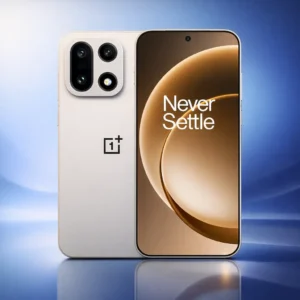
To effectively compare iPhone models in today’s market requires moving beyond brand loyalty and into the realm of architectural philosophy. We are pitting two distinct approaches to smartphone engineering against each other: Apple’s vertically integrated, ecosystem-first strategy embodied in the iPhone 16e, and the horizontal, spec-maximizing ethos of the OnePlus 13R. This analysis is not about declaring a singular winner, but a forensic examination of which platform—iOS with its custom A18 silicon or Android with the brute force of the Snapdragon 8 Gen 3—delivers superior value and performance for the discerning user. We will dissect the core components, from the SoC’s transistor density to the implementation of modem technology, to provide a definitive guide for your next upgrade.
iPhone 16e vs. OnePlus 13R: The Specification Sheet
This table breaks down the core hardware and features of both phones, giving you a clear, at-a-glance comparison to inform your decision.
| Feature Category | Apple iPhone 16e | OnePlus 13R |
|---|---|---|
| Core Identity | Ecosystem-First Powerhouse | Spec-Driven Performance Beast |
| Processor | Apple A18 Bionic Chip | Qualcomm Snapdragon 8 Gen 3 |
| Memory & Storage | 8GB RAM, 128GB Storage | 12GB RAM, 256GB Storage |
| Display | 6.1-inch Super Retina XDR OLED Ceramic Shield Glass | ProXDR Fluid AMOLED 120Hz Refresh Rate |
| Battery & Charging | All-Day Battery Life Standard Charging Speed | 6000mAh Massive Battery 55W SUPERVOOC Fast Charging |
| Camera System | Advanced Dual-Camera: 48MP Main Computational Photography Focus | High-Resolution Dual-Camera Gaming & Action-Optimized Video |
| Connectivity | 5G, eSIM Only, Wi-Fi 6E Deep iOS/Mac Integration | 5G, Dual Physical SIM, Wi-Fi 7 Universal Android Flexibility |
| Best For | Long-term investment, Apple ecosystem users, and those who prioritize resale value and consistent updates. | Power users, mobile gamers, multitaskers, and anyone who needs maximum battery life and charging speed. |
Performance & Daily Driving: Compare iPhone Models
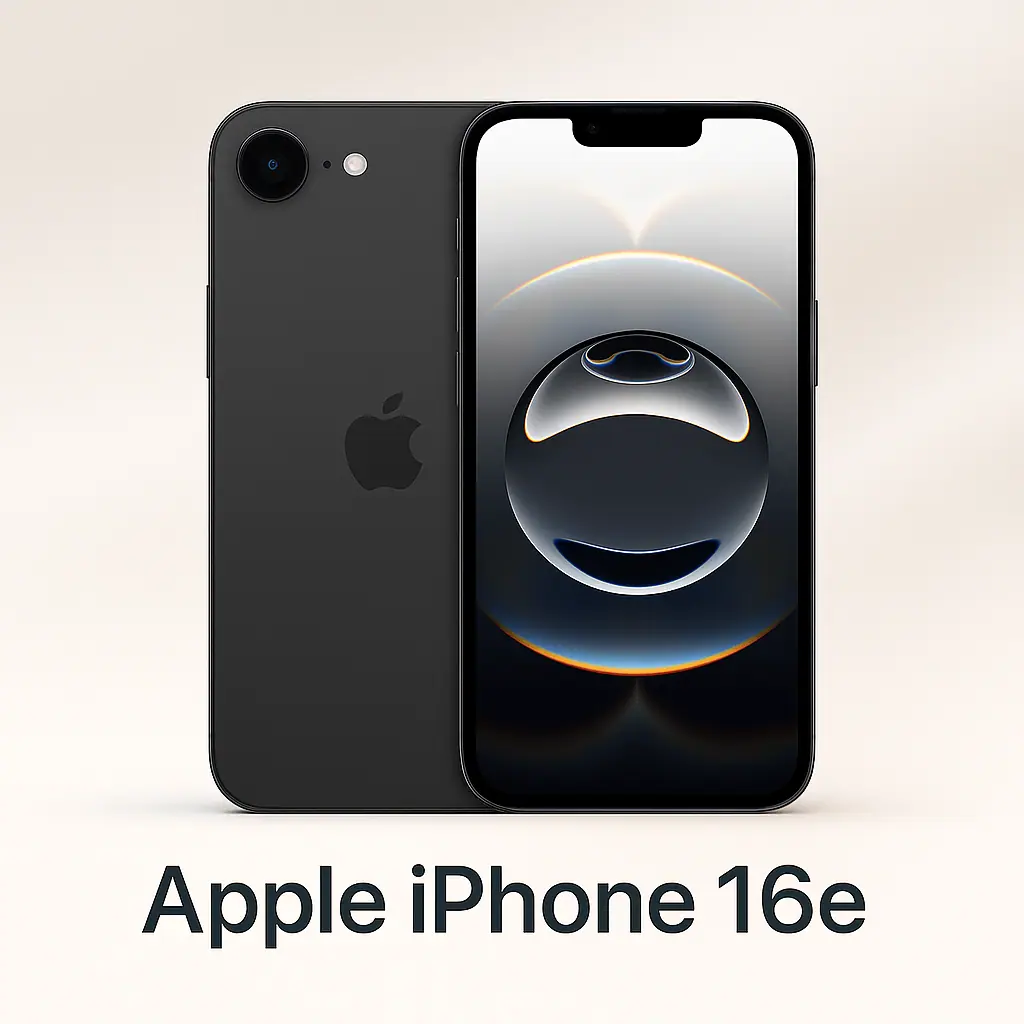
When you compare iPhone models to flagship Android phones, the conversation starts with the chipset. The iPhone 16e is powered by the new A18 Bionic, a system-on-a-chip (SoC) designed specifically by Apple to work in perfect harmony with iOS. The key term here is “Apple Intelligence.” This isn’t just about raw speed; it’s about optimized, AI-powered efficiency for tasks like photo editing, language translation, and proactive Siri assistance. It’s a digital Swiss Army knife—refined, precise, and incredibly efficient.
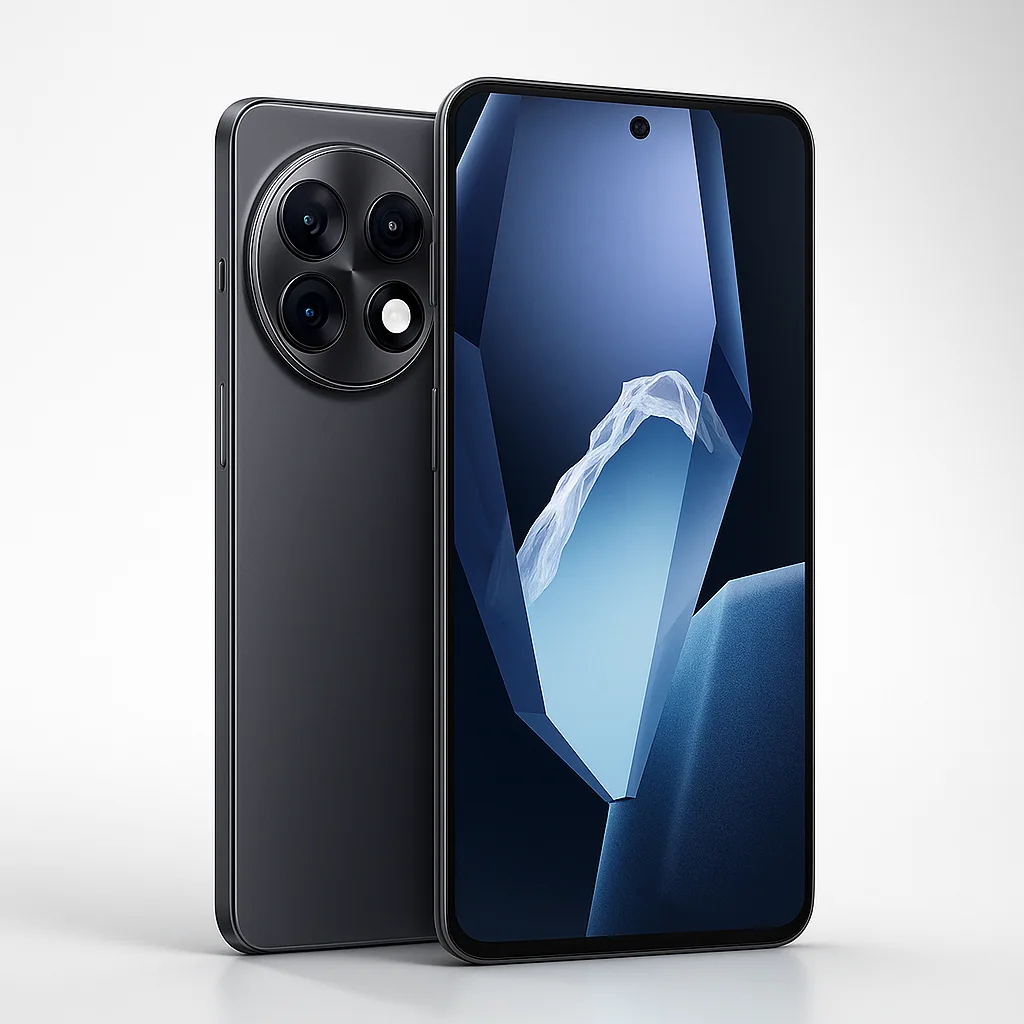
The OnePlus 13R, on the other hand, is a muscle car. Its Snapdragon 8 Gen 3 is a proven powerhouse, especially when paired with a massive 12GB of RAM. For multitasking, hardcore gaming, and switching between a dozen apps, the 13R has a clear spec advantage. The 120Hz ProXDR display makes every animation and scroll feel buttery smooth. It’s built for speed and immersion right out of the gate.
Verdict: The OnePlus 13R wins on pure, measurable performance metrics (RAM, refresh rate). However, the iPhone 16e’s A18 offers a more integrated and intelligent experience that often feels faster in day-to-day use, despite the lower numbers.
Also Read 👉 Best Touch Screen Laptop for Pros – HP 17 2TB SSD & i7 Review
The Pros and Cons: Where Each Phone Truly Shines (and Falters)
Let’s break down the real-world advantages and compromises.
Apple iPhone 16e: Pros
- Ecosystem & Longevity: This is Apple’s ace. The iOS ecosystem is seamless if you use a Mac, iPad, or Apple Watch. The A18 chip guarantees 5-7 years of iOS updates, meaning your phone stays secure and feels new for far longer.
- Resale Value: iPhones historically hold their value better than any Android counterpart.
- Build Quality & Display: The Ceramic Shield front is legitimately tough, and the 6.1-inch OLED is a proven, brilliant panel.
- Camera Consistency: The 48MP main sensor takes super-high-resolution photos that are consistently great with minimal effort.
Apple iPhone 16e: Cons
- eSIM Only: For frequent travelers or those who rely on dual-SIM functionality, the lack of a physical SIM tray can be a deal-breaker.
- Storage: 128GB is the only option here, with no expandable storage.
- Charging: Apple is still slow to adopt fast charging. You’ll miss the 55W speeds of the OnePlus.
OnePlus 13R: Pros
- Unbeatable Battery Life: The 6000mAh battery is a monster. This phone will easily last two days for the average user.
- Blazing-Fast Charging: 55W SUPERVOOC charging can top up the massive battery in under an hour—a game-changer for busy lifestyles.
- Future-Proof Connectivity: Wi-Fi 7 support ensures you’re ready for the next generation of wireless networks.
- Dual-SIM Flexibility: Essential for business users or international travelers.
OnePlus 13R: Cons
- Software Support: While improving, OnePlus typically offers 3-4 years of major OS updates, less than Apple’s promise.
- Brand Prestige: It doesn’t carry the same “status” as an iPhone in certain circles (though this is subjective).
Compare iPhone Models – Which One Should You Buy?
So, after you compare iPhone models like the 16e to a beast like the OnePlus 13R, how do you choose?
Choose the Apple iPhone 16e if:
You are invested in the Apple ecosystem, value long-term software support and high resale value above all else, and prioritize a “it just works” philosophy with a consistently excellent camera. You’re buying a reliable companion for the next half-decade.
Choose the OnePlus 13R if:
You are a power user who lives on their phone. You need maximum screen smoothness, unparalleled battery life, lightning-fast charging, and the flexibility of dual-SIM. You want the highest specs for your money and aren’t afraid to leave the Apple walled garden.
Ultimately, the best way to compare iPhones against Android is to understand your own needs. The iPhone 16e is a master of refinement and longevity. The OnePlus 13R is a champion of raw power and practicality. Both are exceptional choices, but they serve two different kinds of users. Choose the tool that fits your life.
This post contains Amazon affiliate links While each product featured is independently selected by our editors, we may include paid promotion. If you buy something through our links, we may earn commission. Read more about our Terms of service.