Good Molecules Azelaic Acid for Rosacea and Redness
Original price was: $12.99.$12.00Current price is: $12.00.
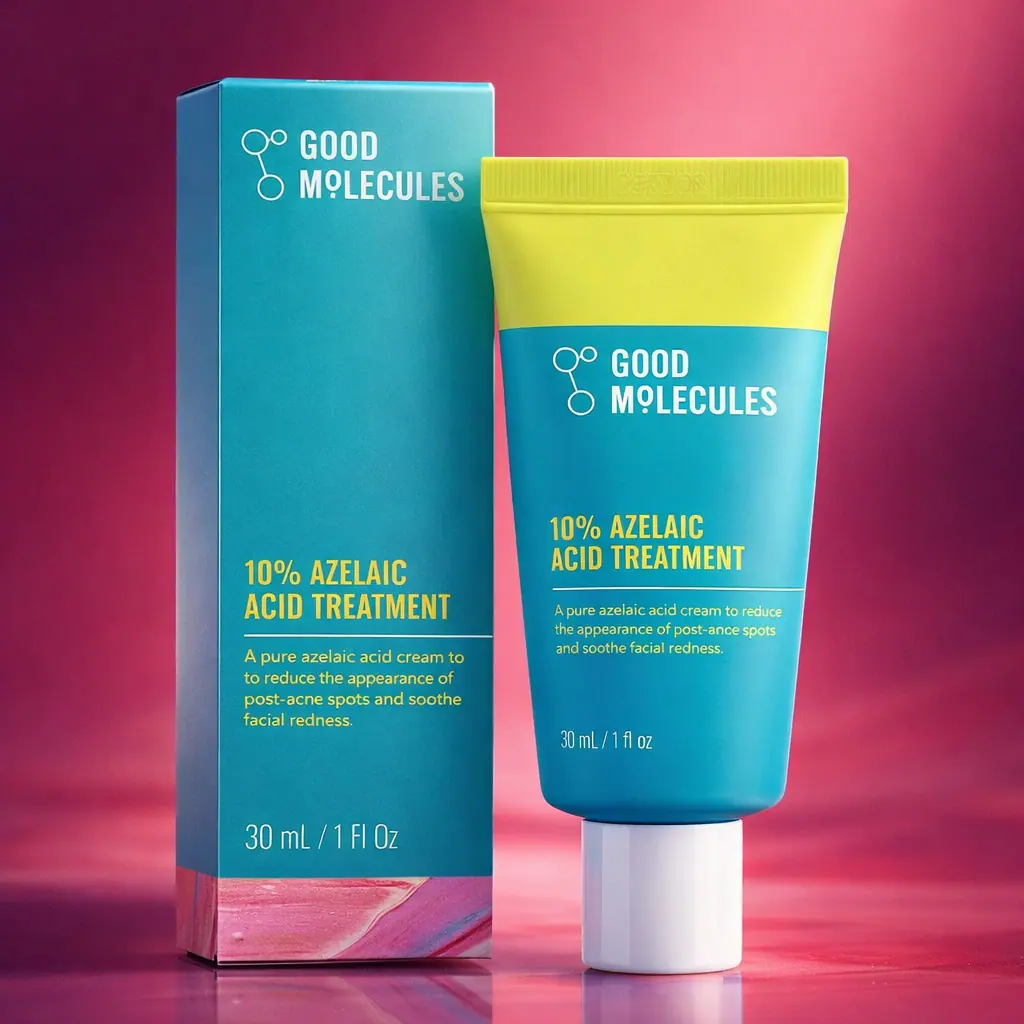
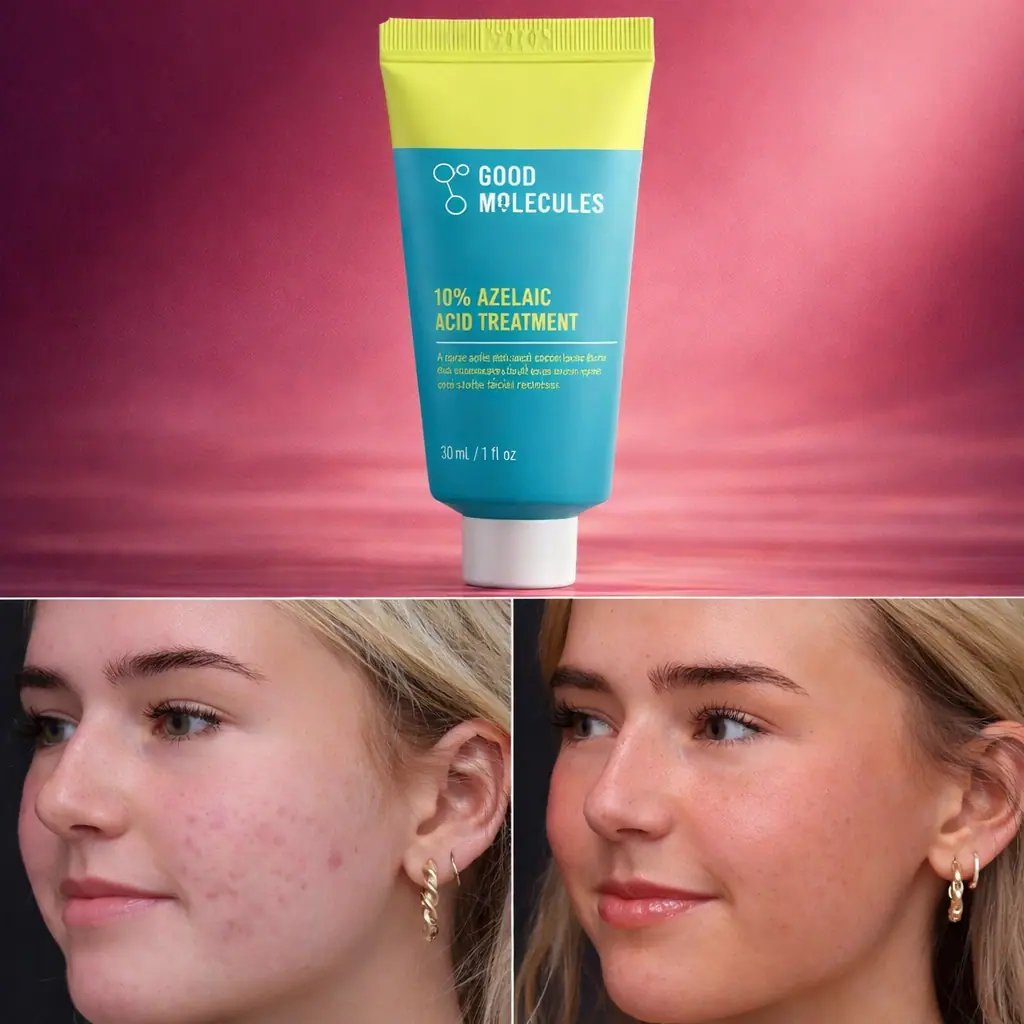
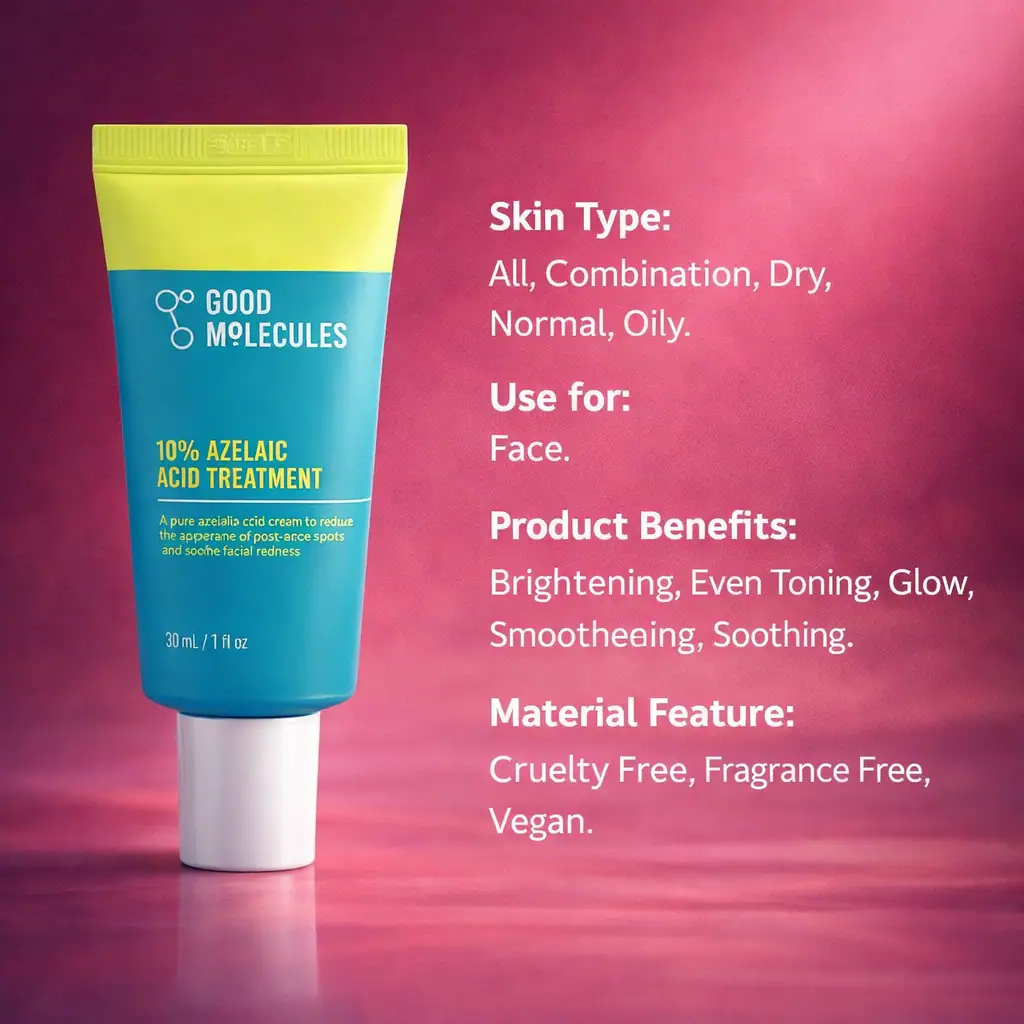
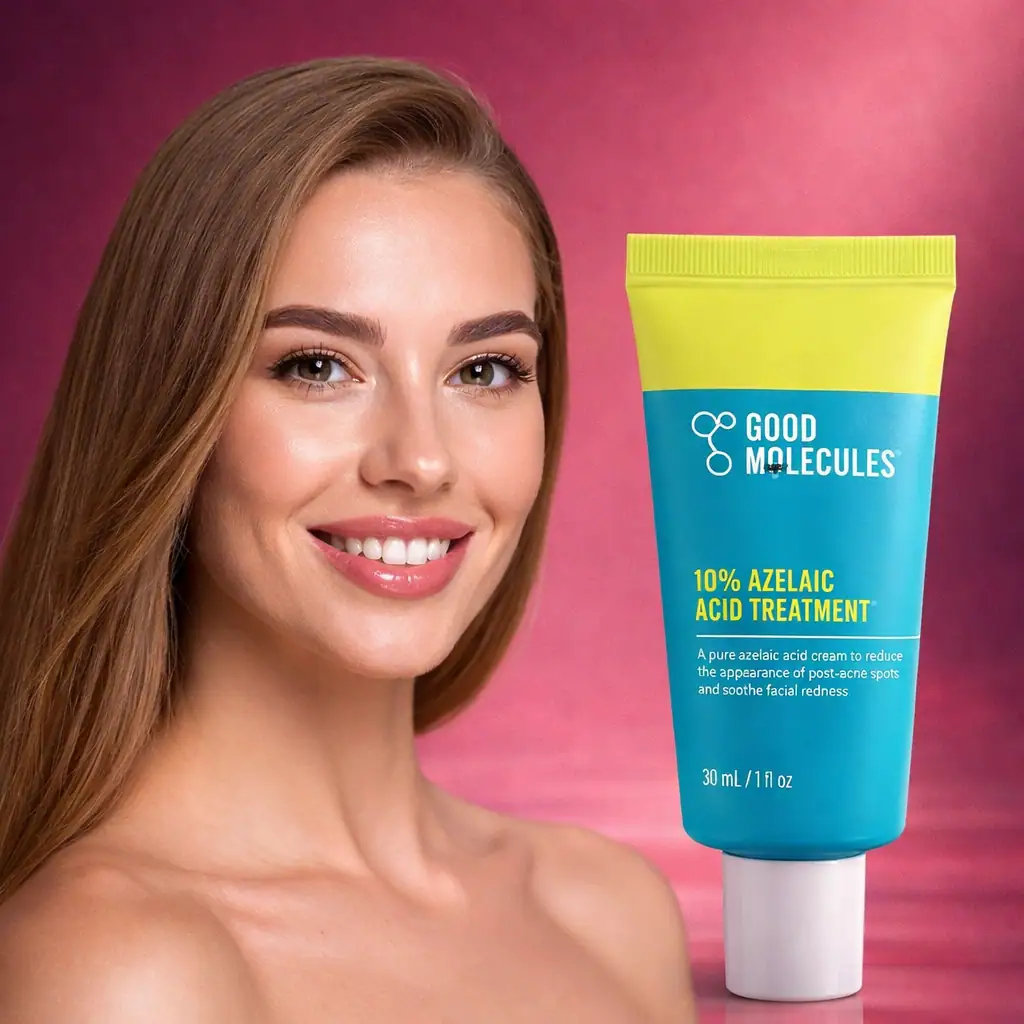
Good Molecules 10% Azelaic Acid Treatment for Face – Soothing Formula for Facial Redness & Uneven Tone – Brightens Dark Spots & Refines Texture – Vegan & Fragrance-Free Skincare (30ml / 1.01 fl oz.).
Description
Hi everyone, If you’re battling facial redness, dark spots that won’t quit, or texture that feels rough, you need a superstar ingredient that actually works. Enter the good molecules azelaic acid treatment. This isn’t just another serum; it’s a targeted, soothing formula that tackles multiple complexion concerns with clinical-level precision. What makes this product stand out in a crowded skincare market is its smart 10% concentration—strong enough to deliver visible results, yet formulated with a calming base to avoid irritating sensitive skin.
Unlike harsh exfoliants, azelaic acid is a gentler powerhouse that brightens, smoothes, and calms all at once. I’ve tried my share of brightening products, but the Good Molecules 10% Azelaic Acid Treatment has earned a permanent spot in my routine because it uniquely combines effectiveness with a vegan, fragrance-free, and non-greasy feel. Simply put, it’s a technical solution for a clearer, more balanced complexion.
Table of Contents
- About the Product: What Is This Serum?
- Key Benefits: What Can It Do For Your Skin?
- How to Use It in Your Routine
- Pros and Cons at a Glance
- The Ingredient Deep Dive
- How Long for Results? Fading Acne Scars Timeline
- What to Avoid While Using Azelaic Acid
- Final Thoughts & Why Good Molecules is a Brand to Watch
About the Product: What Is This Serum?
So, what exactly are you getting? The Good Molecules 10% Azelaic Acid Treatment is a lightweight, fast-absorbing gel-cream. It’s packaged in a simple, no-fuss tube that keeps the formula stable. Good Molecules, as a brand, built its reputation on delivering clinical ingredients at shockingly fair prices, and this product is a perfect example. They’ve taken azelaic acid—a ingredient dermatologists love for rosacea and hyperpigmentation and made it accessible for daily use.
The formula goes beyond just the 10% active. They’ve buffered it with superstar soothers like Centella Asiatica (also known as CICA) and Passion Fruit Oil. This means the product works on the root causes of redness and uneven tone while actively calming the surface irritation that other strong actives can cause. It’s pH-balanced to 4.5, which is ideal for skin health, and it’s proudly vegan, cruelty-free, and without any fragrance or parabens.
Key Benefits of Good Molecules Azelaic Acid
Let’s get specific about why you might want to add this to your cart. This isn’t a one-trick pony.
- Tames Redness & Calms Sensitivity: This is its superpower. Azelaic acid is a proven anti-inflammatory. If your cheeks flush easily, you deal with rosacea, or your acne spots leave angry red marks (post-inflammatory erythema), this serum helps quiet that reaction. The added Centella is a hero for strengthening the skin barrier, which is often the core issue in sensitive skin.
- Fades Dark Spots & Post-Acne Marks: It interrupts the pigment-producing process in your skin cells. Whether it’s sun spots, melasma, or the dark spots leftover from a breakout (post-inflammatory hyperpigmentation), consistent use leads to a more even, bright complexion.
- Refines Texture & Unclogs Pores: Azelaic acid has a mild exfoliating effect. It helps shed dead, dull skin cells that can make your skin feel rough and clog pores. You’ll notice your skin feels smoother, and pores look less noticeable over time.
- Fights Breakouts Gently: It’s antibacterial, particularly against the bacteria that cause acne. But unlike stronger acne treatments (like benzoyl peroxide), it does this without being overly drying or irritating, making it a fantastic option for those with dry or sensitive skin that still breaks out.
- Boosts Radiance: By smoothing texture and fading discoloration, your skin’s natural glow isn’t hidden anymore. You get a clearer, healthier-looking brightness.
How to Use It in Your Routine – Good Molecules Azelaic Acid Treatment
Using this good molecules azelaic acid treatment correctly is key to seeing the benefits without issues. Here’s your simple guide.
Step 1: Start Slow. Even though it’s gentle, introduce it gradually. Begin by applying it 2-3 times a week in the evening.
Step 2: Cleanse & Tone. Start with a clean, dry face. If you use a toner, apply it now.
Step 3: Apply the Treatment. Use a pea-sized amount for your entire face. Dot it on your forehead, cheeks, and chin, then gently smooth it in. Avoid the immediate eye area and lips.
Step 4: Layer Smartly. Wait a minute for it to absorb. Then, follow with your moisturizer. In the AM, your final step must be a broad-spectrum sunscreen with at least SPF 30. Azelaic acid makes your skin more sun-sensitive, and sunscreen protects your progress and prevents further dark spots.
Pro Tip: It layers beautifully. Once your skin tolerates it daily, you can use it both morning and night. You can also use it with other actives like niacinamide or hyaluronic acid. However, be cautious when pairing with other exfoliants (like glycolic acid or retinoids) until you know how your skin reacts.
Pros and Cons at a Glance
This table breaks down the good and the “consider this” quickly.
| Pros | Cons |
|---|---|
| ✅ Multi-tasking Formula: Targets redness, acne, dark spots, and texture all at once. | ❌ May Cause Initial Purging: Some users experience a brief purge (small pimples) as it unclogs pores. |
| ✅ Incredibly Gentle: Fragrance-free, pH-balanced, and fortified with soothing ingredients. | ❌ Can Cause Mild Itching: A temporary, mild itch upon application is normal for azelaic acid but usually fades. |
| ✅ Accessible Price Point: Offers a clinical ingredient at a drugstore price. | ❌ Packaging: The tube is functional, but some prefer airless pumps for absolute stability. |
| ✅ Plays Well with Others: Layers seamlessly under moisturizers and sunscreen. | ❌ Results Require Patience: Significant fading of dark spots takes consistent use for 8+ weeks. |
| ✅ Clean & Conscious: Vegan, cruelty-free, and free of harsh additives. |
Good Molecules Azelaic Acid Ingredients: A Science-Backed Breakdown
What’s in this stuff? Let’s geek out for a second.
Azelaic Acid (10%): The star. Derived from plants like wheat and barley, this powerhouse reduces inflammation, kills acne-causing bacteria, and inhibits tyrosinase (the enzyme needed to make pigment). The American Academy of Dermatology notes its effectiveness for both rosacea and acne.
Centella Asiatica (CICA) Extract: A legendary soothing ingredient. It helps repair the skin barrier, reduces redness, and provides antioxidants. It’s the calming hug that balances the azelaic acid’s activity.
Passion Fruit Oil: Rich in linoleic acid, it’s a lightweight, non-comedogenic moisturizer that helps soothe and support the skin barrier without clogging pores.
The Base: The formula uses gentle emollients and texture-enhancers that are non-greasy and fast-absorbing, creating that perfect gel-cream feel.
How Long Does It Take for Azelaic Acid to Fade Acne Scars?
Patience is a skincare virtue! This is where realistic expectations are crucial.
First 2-4 Weeks: You might notice calmer skin, reduced active redness, and fewer new breakouts. Texture can start to smooth.
4-8 Weeks: This is when visible brightening and fading of post-acne marks and dark spots typically begin. Consistency is everything.
8-12 Weeks & Beyond: For significant fading of deeper hyperpigmentation or scars, plan for a minimum of 3 months of daily use. Remember, scars (both textural and discolored) take the longest to improve. Combining this treatment with daily sunscreen is non-negotiable for this timeline.
What Should I Avoid While Using Azelaic Acid?
To keep your skin happy, keep these tips in mind:
Don’t Skip Sunscreen. Ever. Azelaic acid can increase photosensitivity. Sun exposure without protection will reverse your progress and darken spots.
Don’t Immediately Pair with Strong Exfoliants. Hold off on using products with high concentrations of AHA/BHAs (like glycolic or salicylic acid peels) or retinoids until your skin is fully accustomed to the azelaic acid. Then, introduce them slowly on alternate nights if needed.
Don’t Apply to Wet Skin. Pat your face dry after cleansing. Applying to damp skin can increase the chance of tingling or irritation.
Don’t Use With Certain Prescriptions. If you’re using prescription-strength topical medications (like tretinoin or clindamycin), consult your dermatologist about the best way to layer them.
Good Molecules Azelaic Acid and Company Details
So, is the good molecules azelaic acid treatment worth it? Absolutely. It’s a thoughtfully formulated, effective, and accessible entry into a powerful ingredient. It’s especially perfect for anyone whose skin is sensitive, prone to redness, or easily irritated by other “brightening” or “acne” treatments.
Good Molecules as a brand continues to impress me. They focus on single-ingredient solutions and targeted treatments without the fluff or huge markups. They’re transparent, cruelty-free, and vegan across the board—a brand ethos that resonates in today’s conscious beauty market.
Ready to give it a try? If you’re struggling with redness, uneven tone, or the aftermath of breakouts, this serum could be the multitasking hero your routine has been missing. Remember to start slow, be patient, and always wear your SPF!
While each product featured is independently selected by our editors, we may include paid promotion. This post contains Amazon affiliate links. If you buy something through our links, we may earn commission. thank you! For more information, see our terms of service.
Related products
-
- Sale!
- Face serum
True Botanicals Pure Radiance – The Best Face Oil for Anti-Aging
- Original price was: $120.00.$84.00Current price is: $84.00.
- Shop Now
-
- Sale!
- Face serum
Drunk Elephant B Hydra Hydration Serum
- Original price was: $59.00.$54.00Current price is: $54.00.
- Shop Now
-
- Sale!
- Sunscreen
Colorescience Mineral Sunscreen – Pros, Cons & How to Use
- Original price was: $62.00.$58.00Current price is: $58.00.
- Shop Now